

Track Your Spending: What You Measure Gets Better
Most people don't know where their money goes. We'll show you how to track purchases and understand your spending patterns.
Read more
A simple technique that works. Wait a full day before buying anything non-essential. You'll be surprised how many purchases you don't actually want.
Written by the MindfulSpend editorial team, focused on practical, honest guidance for smarter shopping habits.
Most people know the feeling. You're scrolling online, you see something, and suddenly it's in your cart. By the time you close the browser, you're convinced you need it. Sound familiar?
The problem isn't willpower. It's that impulse and reason aren't the same thing. When you're caught in that moment of wanting something, your brain isn't thinking clearly about whether you actually need it. You're thinking about how you'll feel when it arrives, what it says about you, or just the excitement of something new.
The 24-hour rule is dead simple. Before you buy anything non-essential, wait a full day. Not just a few hours — a full 24 hours. That's it. By tomorrow, you'll see the situation differently.

The rule isn't magic. It's psychology. When you're in the moment of wanting something, your brain is flooded with dopamine. You're imagining the scenario where you have it, thinking about how good it'll feel. That's not a bad thing — it just means you're not in the right headspace to make a rational decision.
Give it 24 hours. Something shifts. You'll either still want it (in which case, the desire was probably genuine) or you'll realize it was just the moment talking. Most people find that they don't want it anymore. The excitement fades. You remember your priorities.
Real talk: sometimes you'll wait the 24 hours and still want to buy it. That's fine. You're allowed to spend money on things you want. The difference is that you're making a choice instead of letting impulse make it for you. That's the whole point.

This article provides educational information about impulse control and spending habits. Everyone's relationship with money and shopping is different. If you're struggling with spending patterns or financial stress, consider speaking with a financial advisor or counselor who can provide guidance tailored to your specific situation.

Why not just wait an hour or two? Because the emotional peak lasts longer than you think. You'll still be riding that wave of excitement after a couple hours. By the next day, your brain has had time to process it differently.
The 24-hour window is long enough for the dopamine to settle, but short enough that you won't forget what you wanted to buy. It's a sweet spot. During those 24 hours, you might:
None of these things happen if you buy in the moment. You're literally giving your rational brain time to catch up with your emotional brain. That's powerful.
The rule is simple, but using it requires some strategy. Here's what actually works in real life:
Add it to your cart, not your life. If you're shopping online, add the item to your cart but don't check out. Close the tab. Most of the time you won't think about it again. If you do think about it the next day, it'll still be there.
Set a phone reminder. Not to buy it — to remember that you wanted it and decide if you still do. This works especially well for things you see in stores. Take a photo, set a reminder for tomorrow, then walk away.
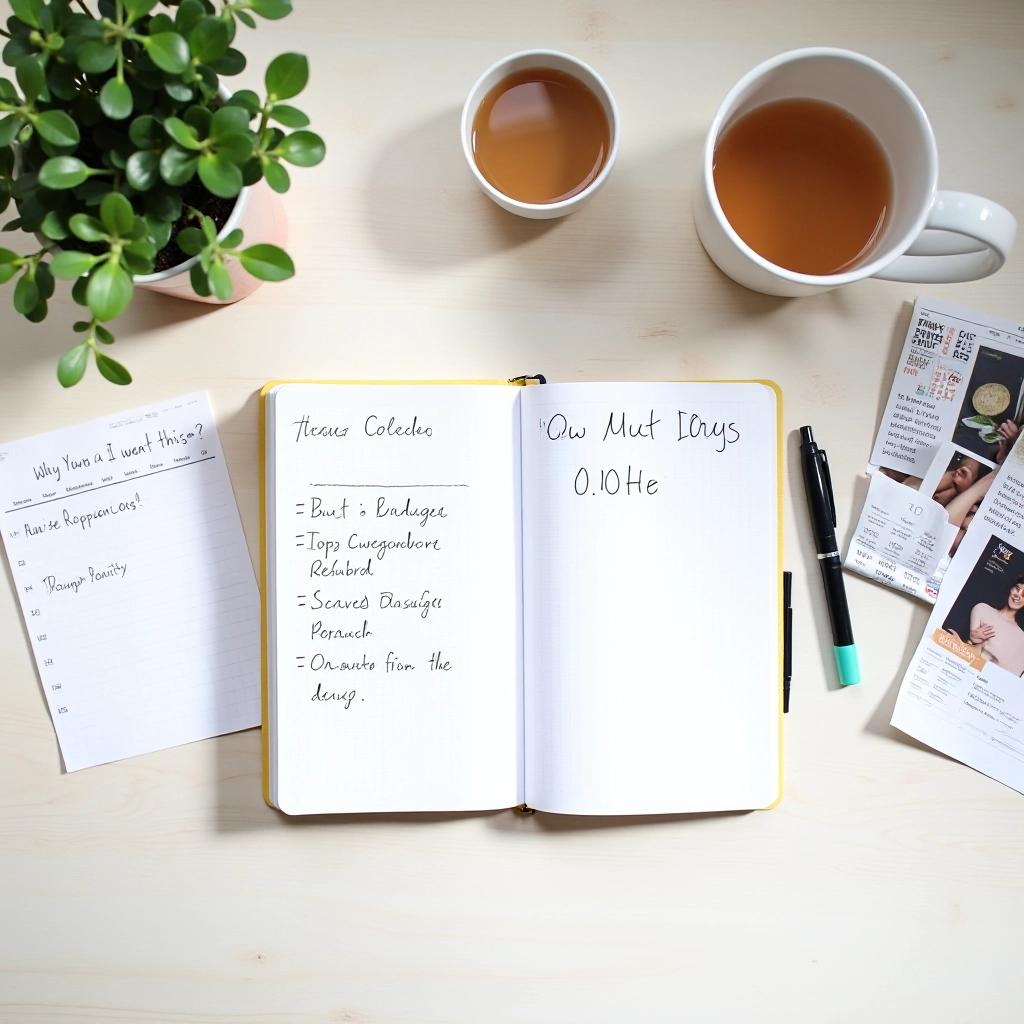
Use a physical list. Write down what you wanted to buy. Seeing it in your handwriting makes it feel more real than scrolling past it again. It also forces you to be specific about what you wanted and why.


The rule isn't law. It's a tool. Sometimes you should break it.
If you're buying something you need for a specific purpose within the next 24 hours — like an outfit for an event tomorrow — obviously you can't wait. The rule is for non-essentials. Things you're buying because you want them, not because you need them right now.
You should also skip the wait if you've been wanting something for weeks or months and you finally found it. That's not impulse. That's decision-making that's already happened. The 24-hour rule is for the sudden wants, the things you didn't know you wanted until two minutes ago.
And honestly? If after 24 hours you still want to buy it and you can afford it without impacting your other goals, go for it. Spending money on things you genuinely want isn't wasteful. It's just spending that's intentional instead of accidental.
The 24-hour rule won't change your life overnight. You'll still want things you don't need. You'll still occasionally buy something on impulse. That's normal and human.
But here's what it will do: it'll give you back control. Instead of spending being something that happens to you, it becomes something you choose. You're not fighting impulse — you're just pausing long enough for your rational brain to show up. That pause is where all the power is.
Start with this one rule. Just 24 hours. You might be shocked how many purchases don't survive the night.
Continue learning about smart spending habits
Most people don't know where their money goes. We'll show you how to track purchases and understand your spending patterns.
Read more
Stress, boredom, social pressure — these emotions drive most impulse purchases. Learn what triggers your spending.
Read more
Forget restrictive budgets. Instead, decide what actually matters to you and spend accordingly.
Read more