MindfulSpend Logo MindfulSpend Contact Us
Menu
Contact Us

Understand Your Shopping Triggers: Why You Buy What You Buy

Stress, boredom, social pressure — these emotions drive most impulse purchases. Once you know your triggers, you can actually control them.

7 min read Intermediate July 2026
Woman standing in front of store window displays, looking thoughtfully at products
MindfulSpend Editorial Team

Author

MindfulSpend Editorial Team

Written by the MindfulSpend editorial team, focused on practical, honest guidance for smarter shopping habits.

What Are Shopping Triggers?

Shopping triggers aren't mysterious. They're specific situations, emotions, or habits that push you toward buying things you didn't plan on. Most of us have a few without even realizing it.

The real thing? Once you can name your triggers, you're already halfway to managing them. You'll start noticing patterns. You'll catch yourself before you swipe the card. And you'll understand why you actually want something versus why you think you need it in that moment.

Research shows that emotional triggers account for roughly 40-80% of all impulse purchases. That's not small. It means your mood, stress level, and social situation matter way more than the product itself.


Person sitting at home, looking stressed while scrolling through shopping app on phone

The Most Common Triggers

These five show up over and over in people's spending patterns. You'll probably recognize at least two or three.

Stress and Anxiety

Bad day at work? Fight with a friend? Your brain looks for a quick dopamine hit. Shopping delivers it instantly. The problem is it fades in about 20 minutes, then you're left with buyer's remorse and an extra charge on your statement.

Boredom

Scrolling through social media on a Sunday afternoon? Browsing stores when you've got nothing else to do? Boredom makes you vulnerable. You're not shopping because you need anything — you're shopping because it's something to do.

Social Pressure and FOMO

Your friends just bought the latest thing. Everyone at work has this brand. You see it everywhere on Instagram. The fear of missing out is real, and it's powerful. You don't want to feel left behind or different.

Sales and "Deals"

A 30% off sign hits differently than regular pricing. Limited-time offers create urgency. Flash sales make you feel like you're missing something. The discount becomes the reason to buy, even if you didn't want it at full price.

Emotional Rewards and Identity

You want to feel more confident, more creative, more put-together. New clothes promise that. New gear promises that. The item becomes a shortcut to the person you want to be.

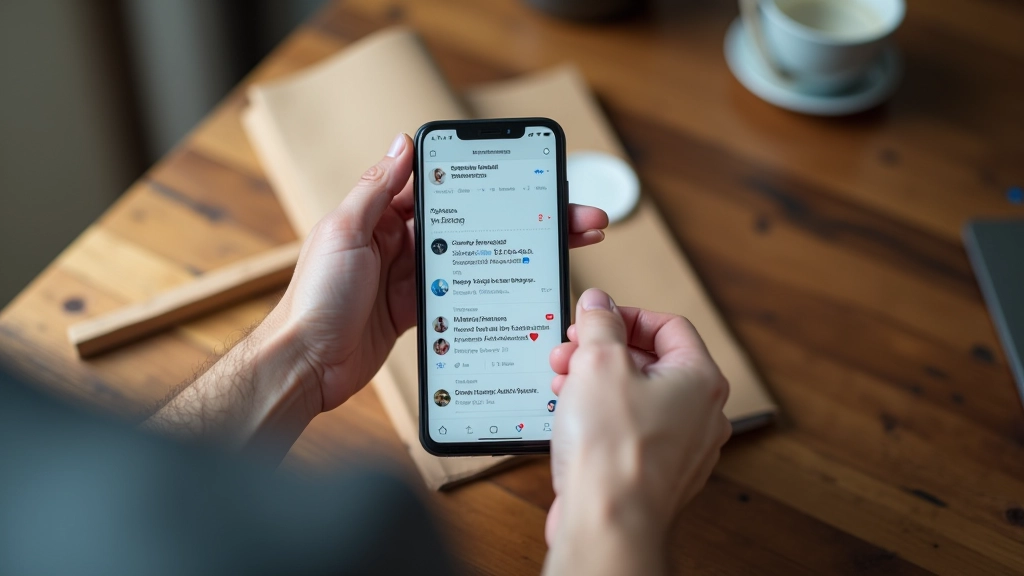
Smartphone screen showing social media feed with shopping posts and discount notifications

Understanding Your Triggers Is Personal

Everyone's shopping triggers are different. What makes one person spend impulsively might have zero effect on someone else. The goal isn't to eliminate shopping — it's to make conscious choices instead of reactive ones. Take the patterns here and apply them to your own situation. If you find yourself struggling with compulsive shopping, consider talking to a financial advisor or counselor who specializes in spending habits.

Person writing in notebook while sitting at a desk with a cup of coffee, journaling about purchases

How to Identify Your Personal Triggers

This is where it gets practical. You can't manage what you don't notice. Here's how to spot your own patterns.

1

Track Your Last 10 Purchases

Look back at what you bought in the past two weeks. For each item, write down the situation: Were you stressed? Bored? Shopping with friends? Seeing a sale? You're looking for the "before" moment — what was happening right before you bought it.

2

Notice the Pattern

After looking at 10 purchases, themes emerge. Maybe you shop when you're procrastinating on work. Maybe it's always at night when you're tired. Maybe specific stores or apps are your weak spots. Don't judge — just notice.

3

Name Your Top Three

You don't have all five triggers. Pick the three that show up most in your own behavior. These are your personal vulnerability points. This is where you'll focus your attention going forward.

Practical Strategies to Manage Your Triggers

Knowing your triggers is the first step. Actually managing them takes a bit of intentional effort, but it's totally doable.

The key is creating friction between the trigger and the purchase. You want to slow yourself down enough to make a conscious choice instead of an automatic one. Here's what works.

  • Delete the apps. If you shop impulsively on your phone, remove the shopping apps. You can still shop on desktop if you really need to, but there's friction. That pause matters.
  • Unsubscribe from marketing emails. Sales notifications are designed to trigger you. If you don't see the deal, you won't be tempted by it.
  • Replace the behavior. When you feel stressed or bored, what else could you do instead? Go for a walk. Call a friend. Do something that doesn't involve spending money.
  • Wait 24 hours. If it's a non-essential purchase, wait a full day. You'll be amazed how many things lose their appeal by tomorrow.
  • Use a different payment method. If you use a debit card instead of credit, or pay with cash, spending feels more real. You see the money leaving.
Person at a coffee shop sitting peacefully with a book instead of shopping online

The Real Win Is Self-Awareness

You don't have to be perfect about this. The goal isn't to never buy things or to feel guilty about spending. It's to understand yourself well enough that you can make choices that actually align with what matters to you.

When you know your triggers, you're not fighting yourself anymore. You're working with yourself. You'll still have bad days where you buy something you didn't need. That's human. But over time, you'll notice fewer impulse purchases, less credit card debt, and more money for the things that actually matter.

Start with identifying just one trigger this week. Notice when it shows up. Then try one small change. That's enough. Everything else builds from there.